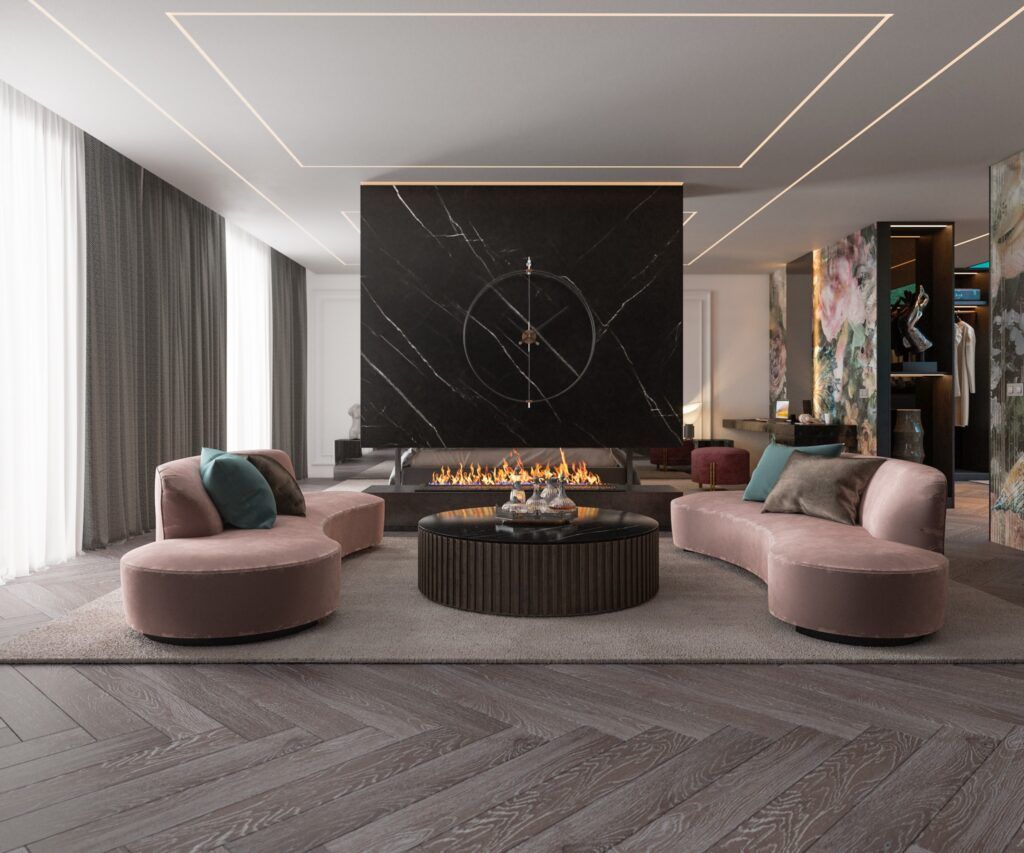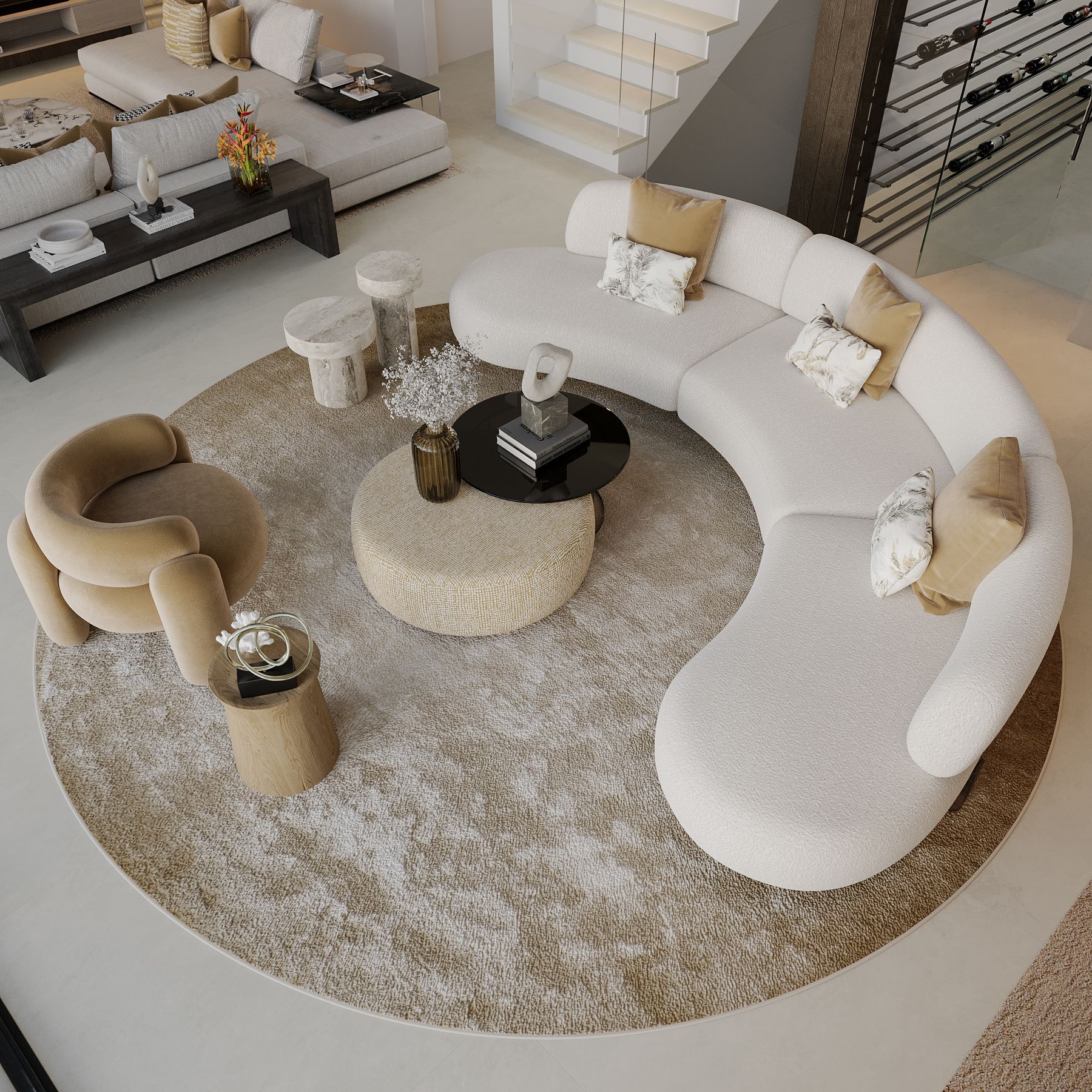
Technological development has taken over various industries, including the home design industry.
Among the latest game-changing technologies in this field is 3D rendering. It has revolutionised how designers think, present, and perfect their work.
This cutting-edge technique provides designers and clients unique advantages in developing highly accurate visualisations. This, in turn, enhances communication, simplifies decision-making, and reduces errors.
For a better understanding of how powerful 3D rendering is, read our post up to the very end.
3D Rendering — How Does It Help?
Giving Life to Ideas
The beauty of 3D rendering is how it brings ideas into reality. Instead of mere sketches or flat drawings, a home designer can create realistic images showcasing the size and layout of a home.
This helps clients visualise what their future home will look like and, therefore, connect with it more easily.
Simplifying Complex Decisions
There are just so many decisions to make when designing a house: colour shades, materials, and pieces of furniture. It is so much easier to make these decisions through 3D home design.
The client will know how all those different elements would look in the space. Through the ability of 3D render, clients are also able to experiment with the various options, mix-and-match colours and styles to determine what works best for them.
This visual hastens decision-making while helping to avoid expensive mistakes later on.
Reducing Design Errors
Another main benefit that accompanies 3D rendering is the way it reduces errors in the design phase. The designers and their clients can easily see any potential problems with their projects when they are viewed in three dimensions.
This ensures more time-saving and financial management since there will not be any costly changes once the building commences.
Improving Client Engagement
When the clients begin to see their ideas in 3D designs, they tend to be more interested in the process. Consequently, this makes them more enthusiastic about their projects, and they are capable of giving finer details to designers.
This means 3D rendering allows open communication with clients and lets them participate actively in shaping their dream homes.
Showing Unique Features
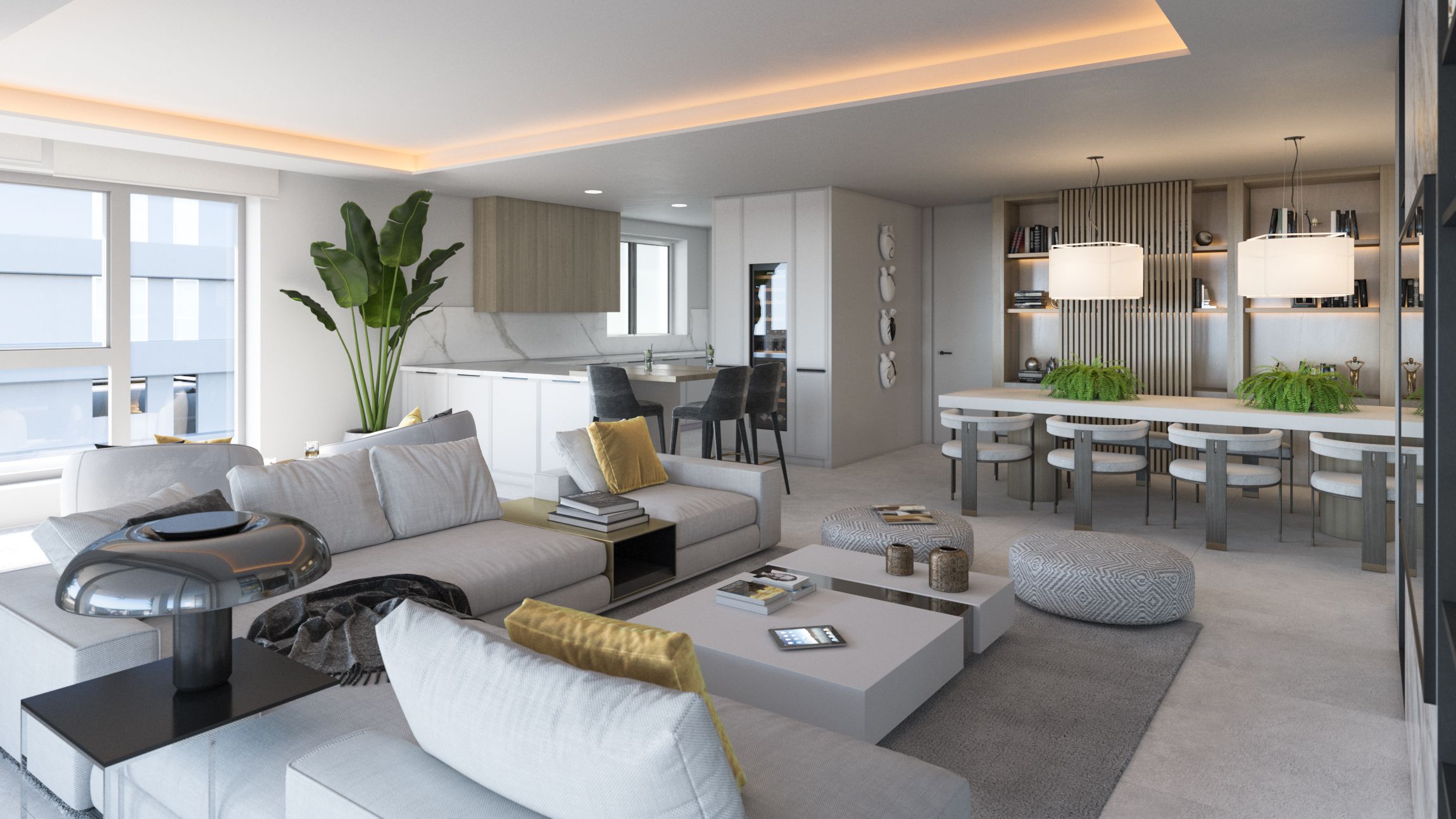
3D interior design highlights every special feature of a home. Be it an exceptional staircase or some modish kitchen layout, all these can be conveyed in a presentable way through 3D rendering.
Through Expressing the special touch of a home design, 3D home design makes it possible to build living spaces that are memorable and a reflection of a client’s personality.
Smoothening Remote Collaboration
In some instances, clients may not be able to sit with their designers for certain reasons physically. For example, impeding distances or lack of time.
Fortunately, 3D designing online enables collaboration irrespective of physical location. Clients can now view designs from wherever they are and provide feedback from any location.
This ensures that clients remain involved in the process no matter their location.
Increasing Marketability
Most real estate agents and builders are using high-quality 3D renders for effective marketing.
These tools allow sellers to demonstrate great views for homes, thus attracting more buyers and increasing the chances of selling quickly for a reasonable price.
For the buyers, they get realistic virtual tours that show the properties in an attractive manner. This enables them to quite easily decide what to go for.
 Conclusion
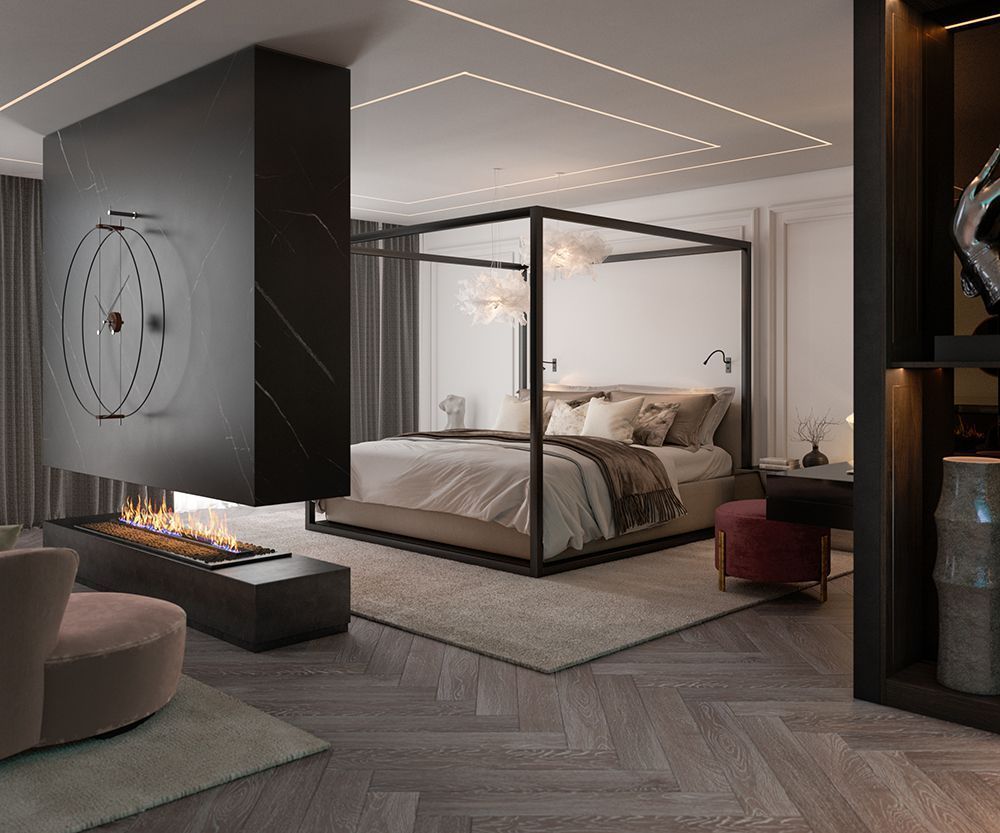
So, now you know it — the various impacts of 3D rendering on home design. It begins with bringing ideas to life and facilitating easier decision-making, then segues into client engagement and marketability. As we embrace innovation in home design, 3D rendering will continue to play an important role in creating beautiful, functional living spaces tailored to each client’s needs.