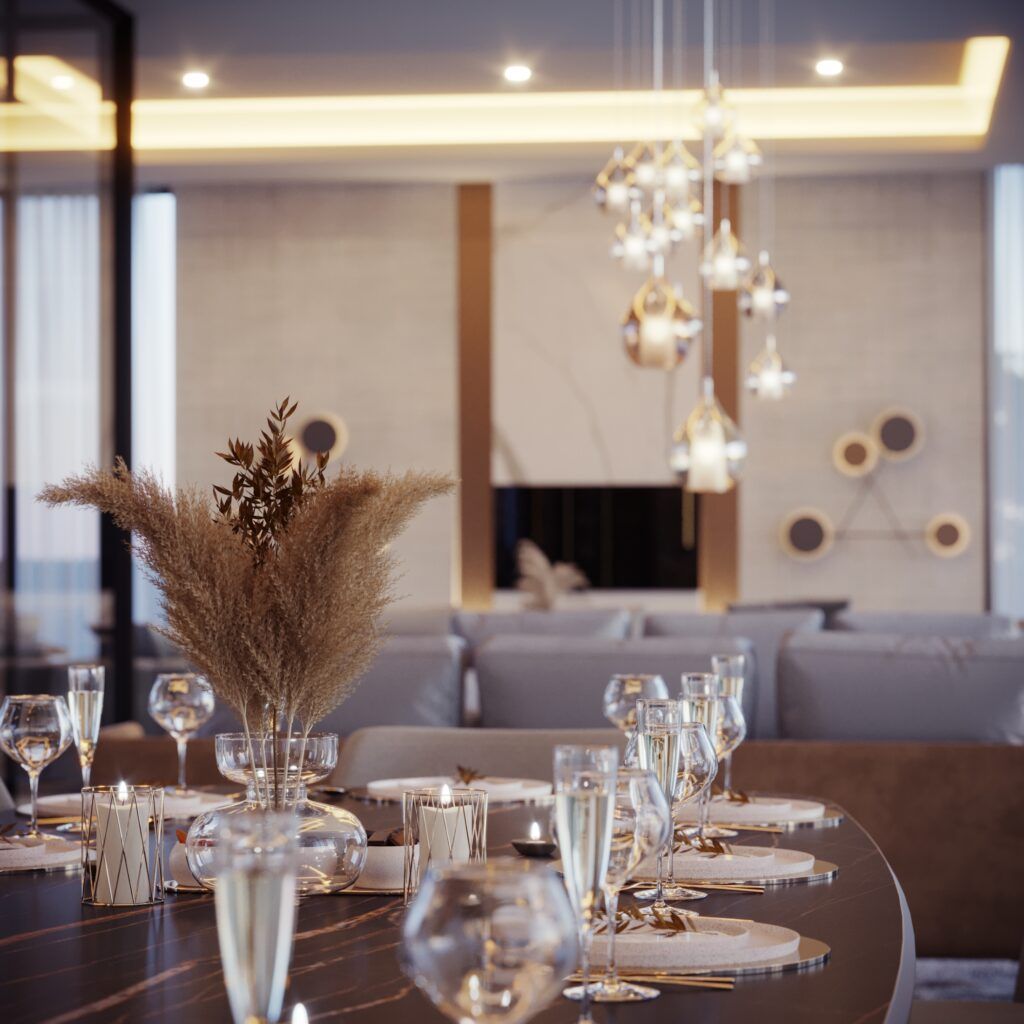
When managing your home decoration, the colours you use for each room design will have a considerable impact. That’s particularly true because colours have a psychological effect — meaning they affect your interior designs’ feel, mood and appearance.
So, how do you choose the perfect palette for each room? Don’t stress. Our guide explains everything to help you select the ideal colour palette like a pro.
Understand Target Rooms and Their Usage
Before settling on any colour choice, you must first understand the target rooms and their usage.
After this, you can choose the best colours that suit the room’s design and functions.
Standard rooms in your homes and their best colour choices are as follows:
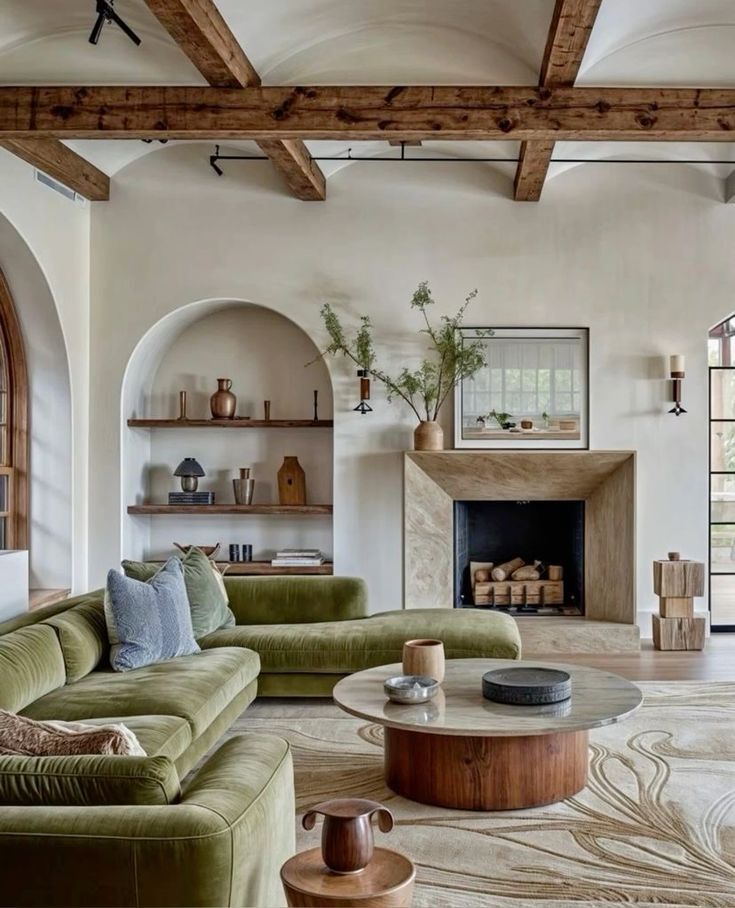
Living Room: Your living room should be cozy and welcoming. You can readily achieve this with warm neutrals like soft yellows or even beige. You may also try orange and teal for vibrant accents in this space.
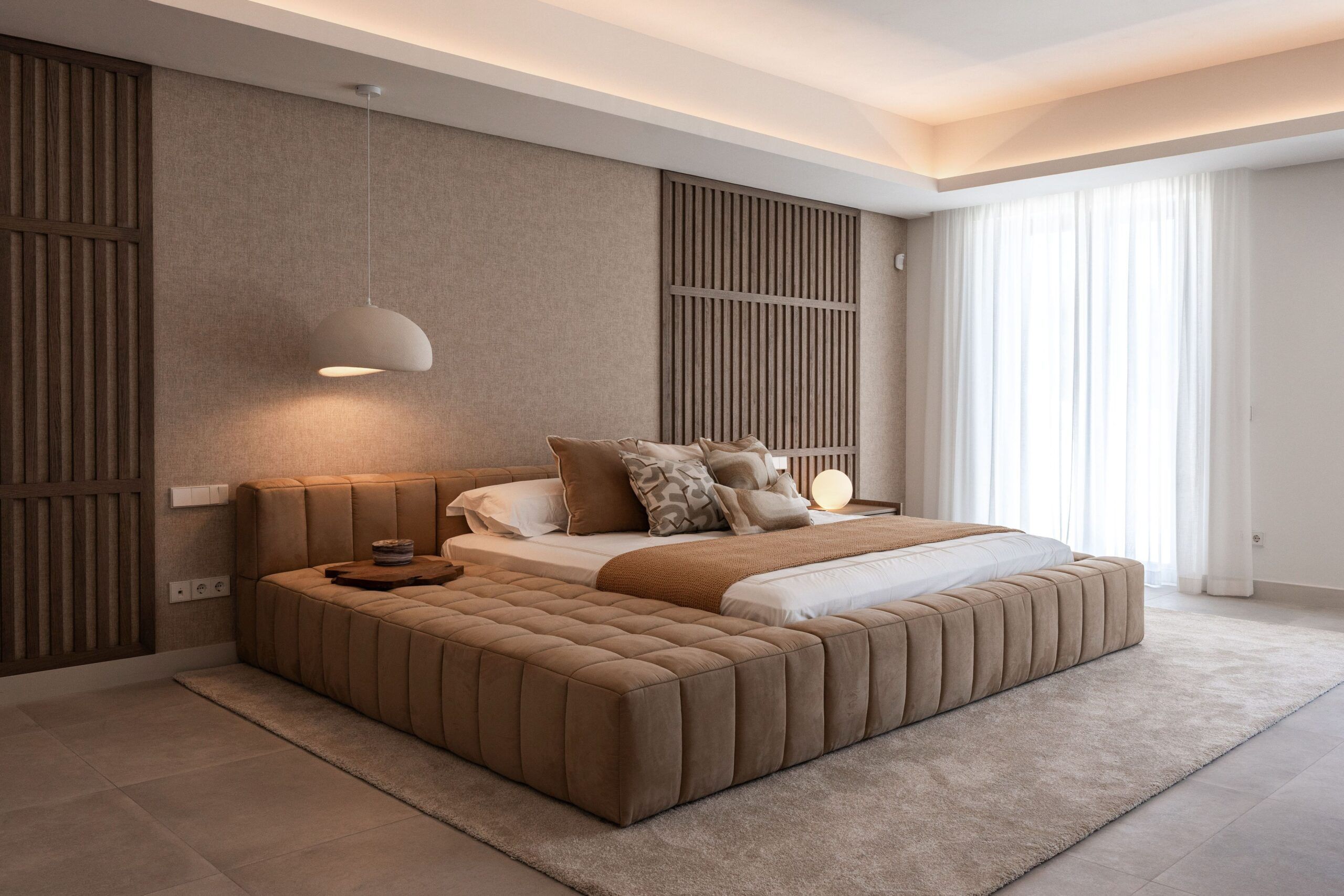
Bedroom: You want a relaxing environment here. Try lavender colours, greens or soft blue. They will create a soothing mood in your bedroom.
Kitchen: Add vibrancy in the kitchens with bright yellow, red, or green shades. Use whites and greys with natural textures to accentuate your home decoration for a modern, clean look.
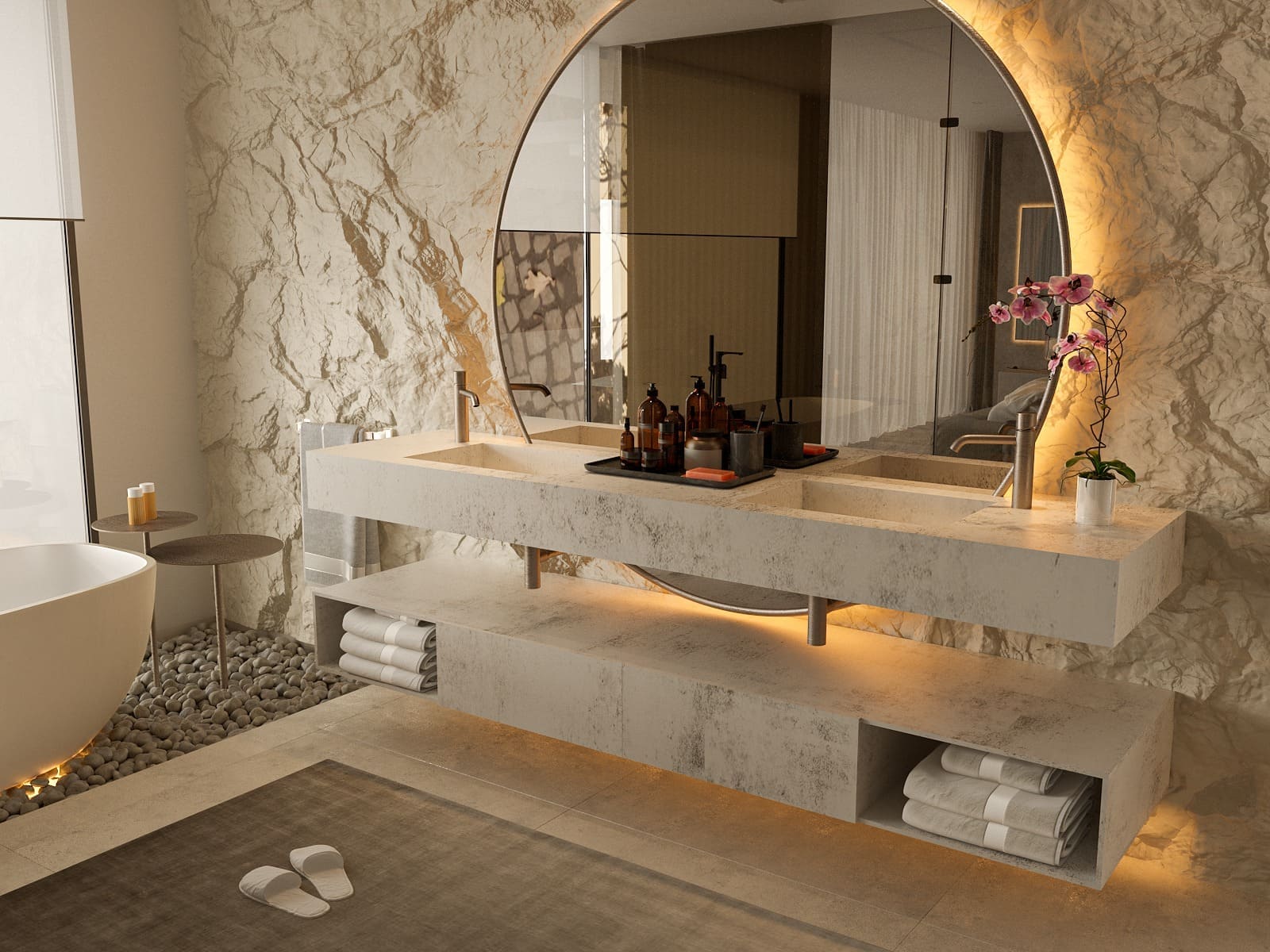
Bathroom: Here, you want a SPA-like effect, right? If so, consider pure white, pastel blues and greens. All these cool shades will bring out the desired effect.
Choose Colors Based on Their Mood
Think of colour psychology to match colours with the moods you want to establish in each room.
Red accents: Yellow brings life to the room; thus, it’s great for accent walls in social areas, like kitchens and/or dining rooms.
Blue: Add to areas for relaxation or where relaxation needs to be emphasised, like bedrooms or bathrooms.
Yellow: Add warmth and cheer using yellow in rooms like kitchens or entryways.
Green: Add green to maintain a balanced, fresh environment wherever you spend your time. It works best for your living room or home office.
Room Size and Light
Now, take into consideration the room size and its exposure to light. This will help you make wiser colour decisions for your house interior design.
Smaller rooms: Lighten with soft tones like white, pastels, or light greys to give them a more spacious appearance.
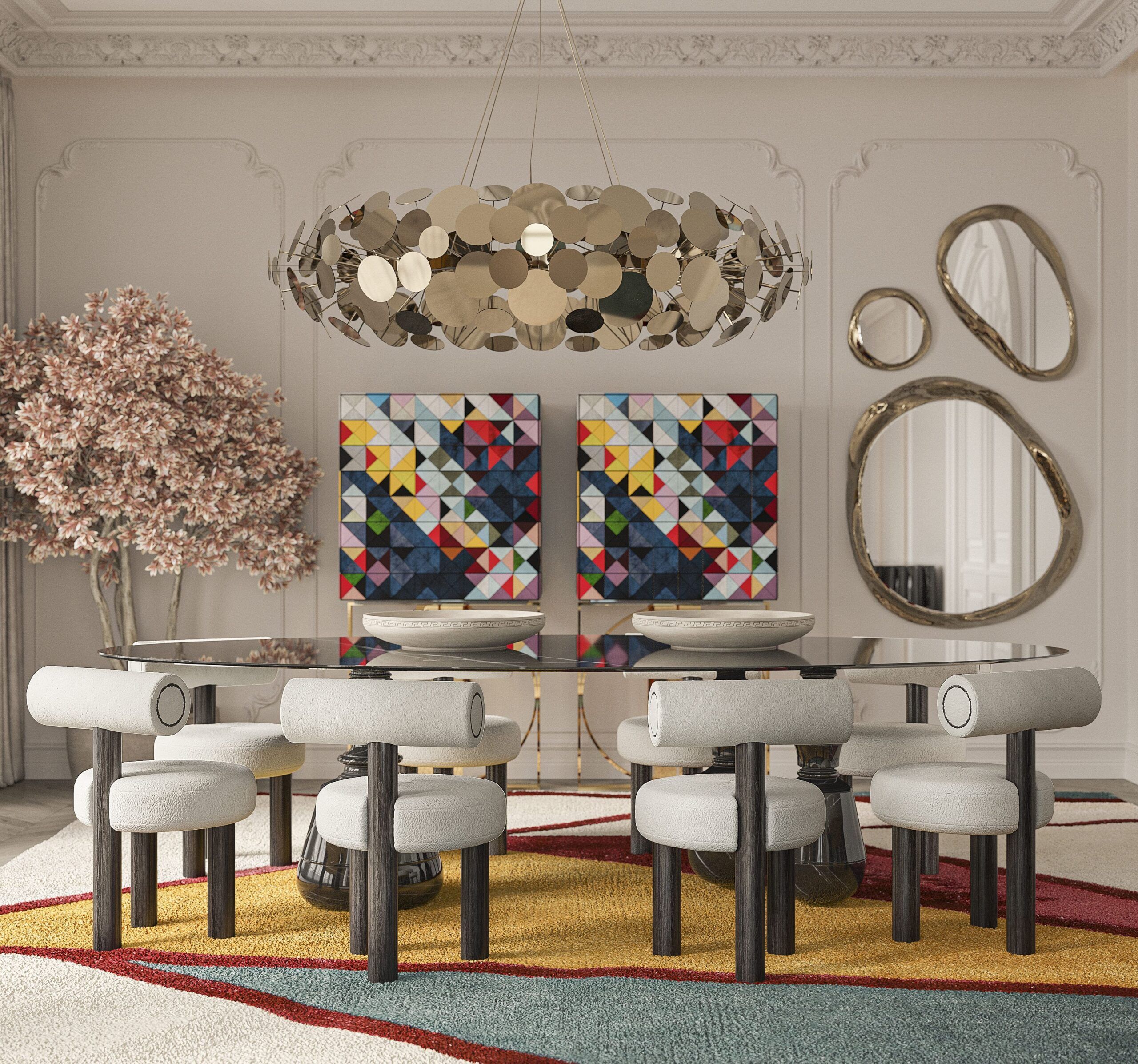
Larger rooms: Darker colours may be used, like navy and charcoal, to add warmth to big spaces, which will make the room cozier.
You can opt for bolder colours if the room gets plenty of light. Use lighter shades to brighten the home interiors if it’s poorly lit.
Balance Neutrals with Accents
Begin your home decoration by choosing a neutral base colour that can be put on larger surfaces such as walls and floors. Add colour pops to the said area through accents.
Use neutrals like beige, white, or grey as a great way to provide a versatile backdrop against which you can play up colour. Use furniture design and decor items like pillows, rugs, curtains, or whatever else you have in the room to add colour. This allows you to play around with colour without overwhelming the space entirely.
For example, a beige living room can feel more lively with mustard yellow or teal accents, giving the room depth without overpowering.
Test Colors Before Committing
You should test your colours in the room before deciding on the best ones.
Testing is simple; all you need to do is paint a small area on the wall. You then check how the colours look at different times of the day.
- Observe how natural light during day hours enhances brightness.
- Notice how the colour’s warmth or coolness changes at night with artificial lighting.
The testing is essential because it lets you compare the best home decor colours before putting them in natural spaces.
Maintain Color Flow Between Rooms
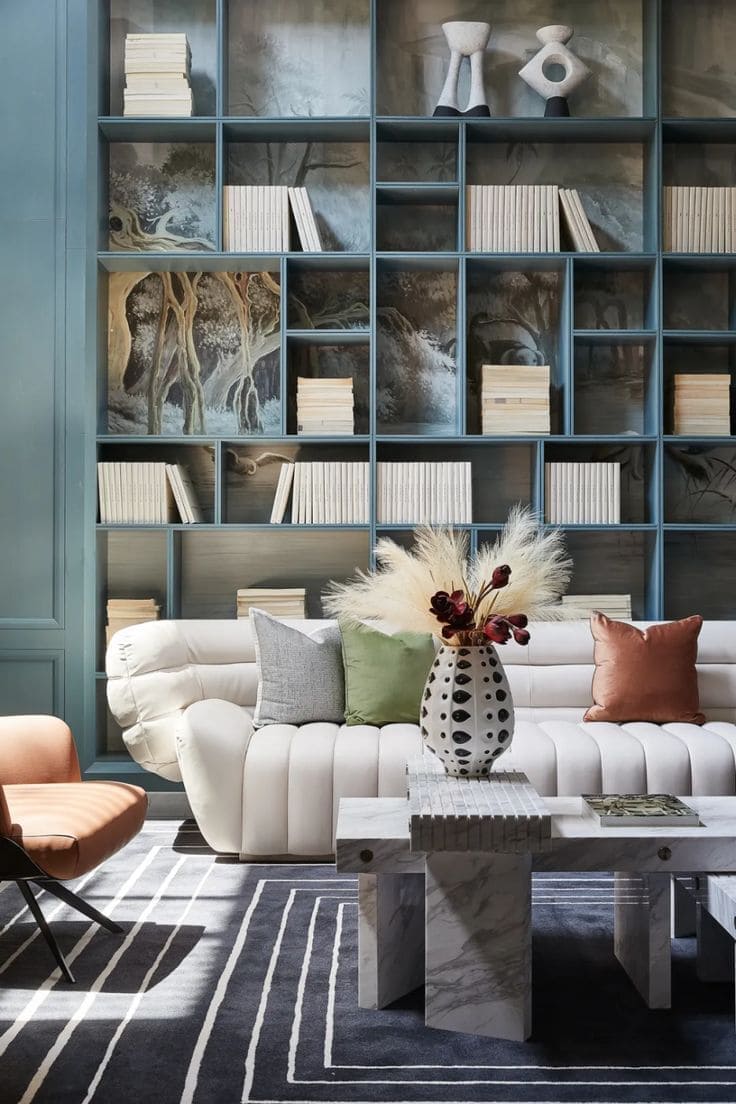
For more than one room, select colours that complement one another. You can use the same base colour in each subsequent space for continuity. Alternatively, use colours in the same family to connect the spaces.
Conclusion
Choose the perfect colours for your home by determining the room’s purpose, considering emotional impact, and accounting for light and size. Take this guide and confidently make those dramatic choices that elevate your home design into a cohesive, inviting space.